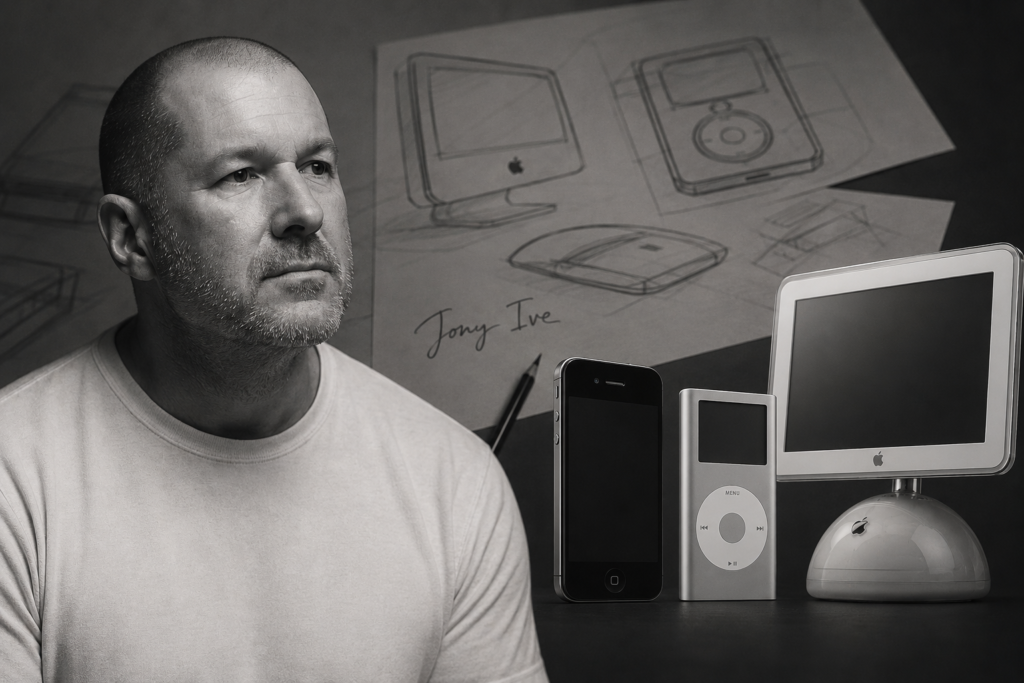
When Jony Ive left Apple in 2019, many people believed the company had lost one of its most important creative forces. And honestly, that reaction made complete sense. This was the designer behind some of the most iconic consumer products ever created. The iMac, iPod, iPhone, iPad, Apple Watch, and the unibody MacBook era all carried Ive’s unmistakable philosophy. Even today, products like the iPhone 4, iPhone X, and iPod still feel timeless. More than just devices, they felt emotional, futuristic, and almost museum-worthy.
But looking at Apple’s recent hardware direction, an interesting question emerges: what if Apple didn’t lose its balance after Jony Ive left? What if it actually regained it?
Before anything else, it’s important to acknowledge just how influential Ive truly was. Modern consumer electronics would likely look very different without him. Apple products under his leadership weren’t simply functional tools; they had personality. Devices like the iPod and iPhone transformed technology into something deeply personal. During the Steve Jobs era, Apple’s products felt balanced because design and usability evolved together. Jobs pushed product vision while Ive pushed industrial design, and together they created some of the greatest consumer products in modern history.
The problem wasn’t Jony Ive himself. The problem was the direction Apple’s design priorities gradually started heading toward during the later years of his era. Over time, especially during the Intel MacBook generation, Apple appeared increasingly obsessed with thinness and minimalism, often at the cost of practicality. The 2016 MacBook Pro became the clearest example of this philosophy reaching its extreme. Apple removed ports, aggressively minimized thermal headroom, introduced the controversial butterfly keyboard, and prioritized slimness almost above everything else. The machines looked stunning, but many professional users ultimately cared more about reliability, ports, thermals, battery life, usability, and not having to carry a mess of hubs everywhere.
That’s what makes Apple’s post-Ive era so interesting. Instead of abandoning beautiful design entirely, Apple seems to have rebalanced it.
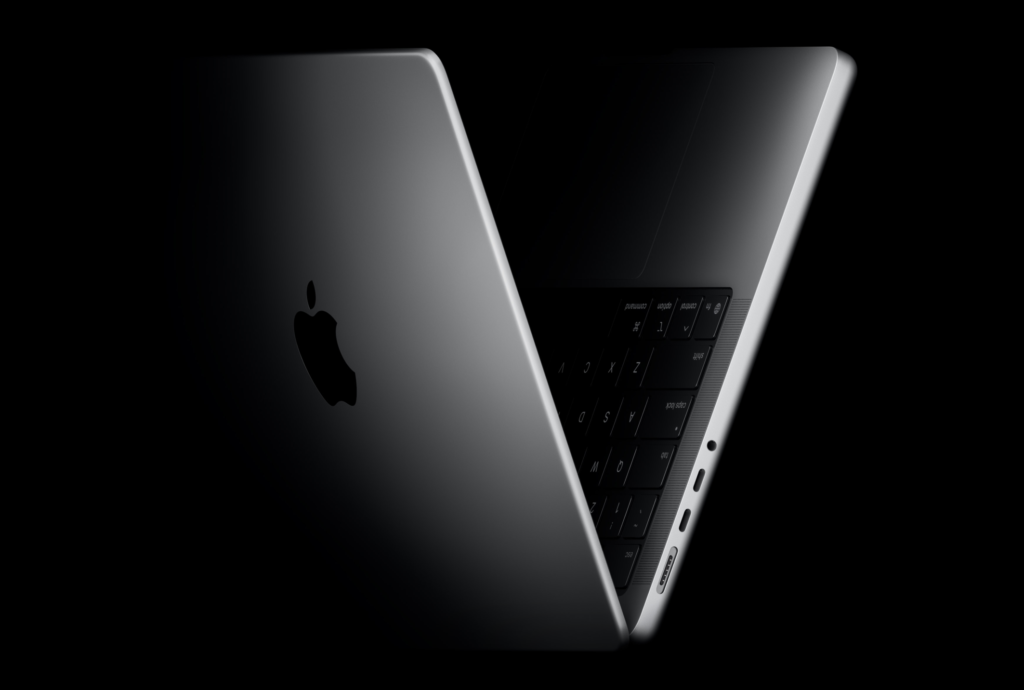
The 2021 redesign of the MacBook Pro was arguably the turning point. Apple brought back ports, significantly improved thermal management, prioritized battery life again, and accepted slightly thicker machines in exchange for dramatically better real-world performance. Surprisingly, many users welcomed those compromises because the products finally felt designed around actual usage instead of pure industrial minimalism.
That same philosophy is now clearly visible across Apple’s broader lineup. Apple’s decision to move the iPhone 17 Pro lineup back to aluminum showed the company prioritizing thermals and sustained performance again rather than chasing premium materials purely for aesthetics. At the same time, the iPhone Air demonstrated that Apple still deeply values elegance, thinness, and visual minimalism for users who prioritize form above everything else. Instead of forcing every customer into a single design philosophy, Apple now appears far more comfortable building separate products for separate priorities.
That may actually be the biggest shift in Apple’s modern design language.
For years, Apple products increasingly leaned toward minimalism and thinness above all else. Today, Apple seems far more willing to acknowledge that different users want different things. Some users prioritize battery life, thermals, ports, and sustained performance, while others value portability, thinness, and visual elegance. The MacBook Air and MacBook Pro now feel like two completely different interpretations of what a laptop should be rather than one product line stretched across multiple price points. The same split is now clearly visible across the iPhone lineup as well.
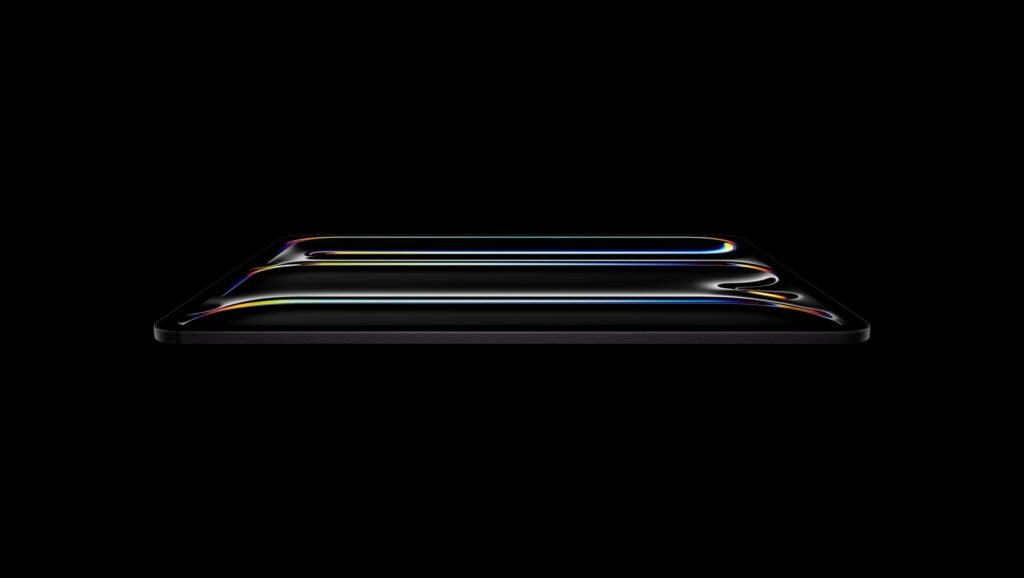
Ironically, the modern iPad Pro still feels like the purest continuation of Jony Ive’s original philosophy. It becomes thinner and more visually impressive with every generation, yet battery expectations remain surprisingly similar to the original iPad from 2010 despite enormous leaps in performance. The iPad Pro still feels almost like industrial art — beautiful, futuristic, and aggressively minimal. And honestly, that’s part of its appeal.
Which is why this conversation should never become “Jony Ive was wrong,” because he wasn’t. His design legacy remains extraordinary and likely always will. But over time, particularly during Jony Ive’s later years at Apple after Steve Jobs, the company’s hardware philosophy may have gradually leaned too far toward extreme minimalism and form over function.
Today’s Apple feels different. Not less beautiful. Just more balanced.