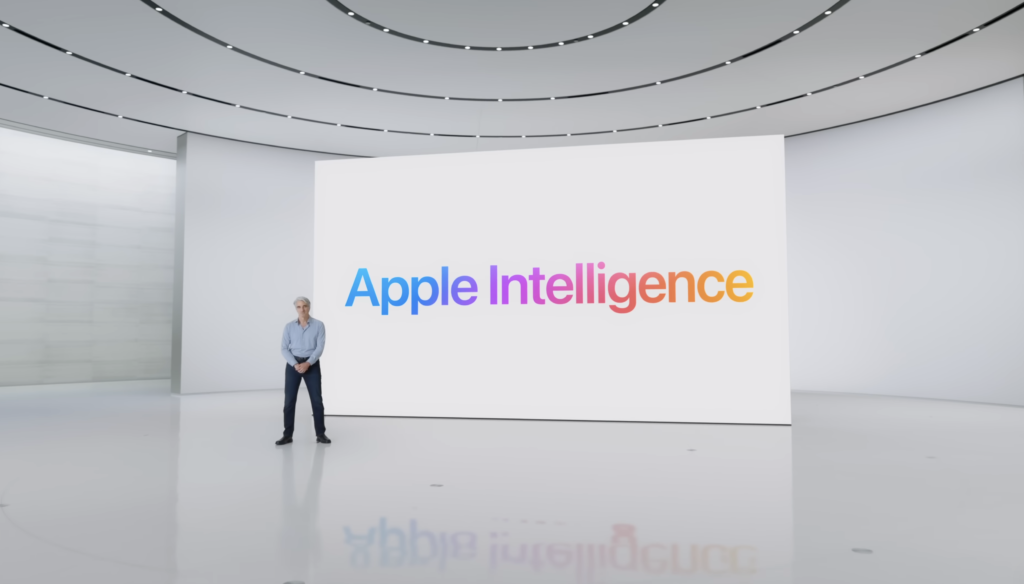
Artificial intelligence has quickly become the biggest battleground in technology. Companies are racing to announce new models, launch new features, and claim leadership in an industry that is still evolving at an incredible pace. Looking from the outside, Apple’s relatively slow progress can easily appear as if the company has fallen behind.
But what if Apple isn’t simply late?
What if Apple is doing what it has done throughout most of its history: waiting, observing, and refining before fully committing?
Apple has never been the company that tries to be first. Instead, it has repeatedly demonstrated that it would rather be among the last to enter a category if it believes it can deliver a significantly more polished experience. The original iPhone wasn’t the first smartphone. The Apple Watch wasn’t the first smartwatch. Even the iPad arrived years after tablet computers already existed.
The company’s history suggests that Apple rarely views being first as an advantage by itself. It prefers to let the market expose the weaknesses of early products, learn from competitors’ mistakes, and then introduce its own interpretation when the technology is mature enough to meet its standards.
That philosophy may also explain Apple’s approach to artificial intelligence.
Unlike companies whose businesses revolve around cloud services, advertising, or search, Apple’s greatest strength has never been building every underlying technology itself. It has been integrating technologies into a seamless hardware and software experience. AI is certainly becoming an increasingly important part of that ecosystem, but it has never been the foundation of Apple’s business in the same way search became the foundation of Google.
That difference matters.
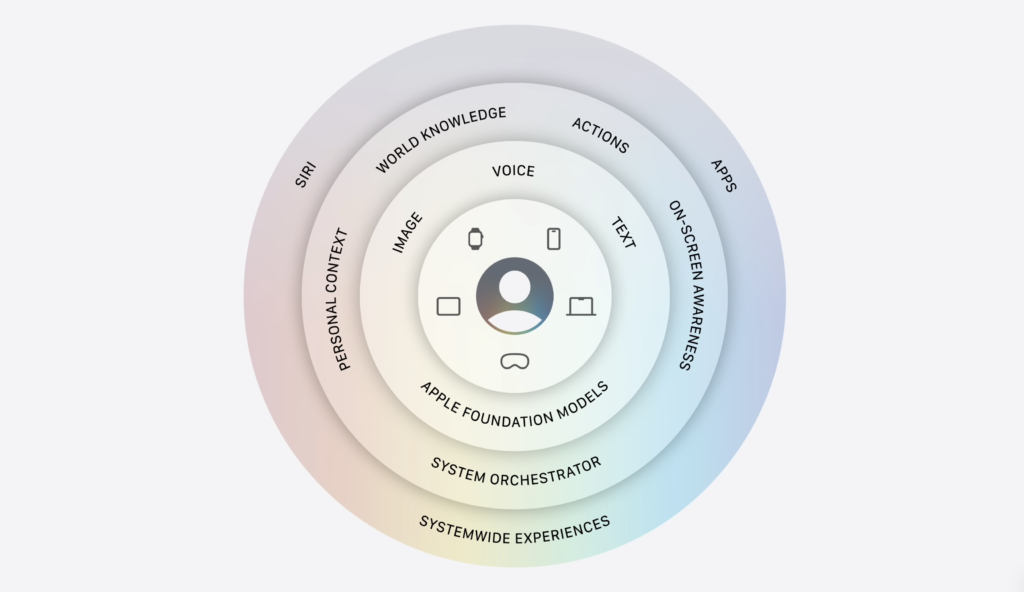
Apple’s recent multi-year collaboration with Google further reinforces that philosophy. Rather than treating AI as a race that must be won entirely with in-house technology, Apple appears more focused on delivering the best possible experience for its users. By building future Apple Foundation Models on Google’s Gemini technology while continuing to integrate them into Apple’s hardware, software, and privacy architecture, the company once again demonstrates that the final product matters more than the origin of the underlying technology.
Apple, on the other hand, could afford to wait.
The company has often entered markets only after watching competitors spend years educating customers, identifying limitations, and discovering what users actually wanted. The foldable smartphone market is a good example. While Samsung has now spent multiple generations refining foldables, the early years included visible display creases, durability concerns, hinge reliability issues, and expensive hardware that many consumers viewed as experimental. Apple has yet to release its own foldable device, but if history is any guide, it will likely wait until the technology reaches the level of maturity it expects before introducing its own version.
The same pattern appeared years earlier with OLED displays. Android manufacturers adopted OLED long before Apple did, but the technology initially suffered from burn-in concerns, inconsistent brightness, and color accuracy limitations. Apple waited until those technologies had matured before introducing the iPhone X in 2017, where OLED became one of the device’s defining strengths.
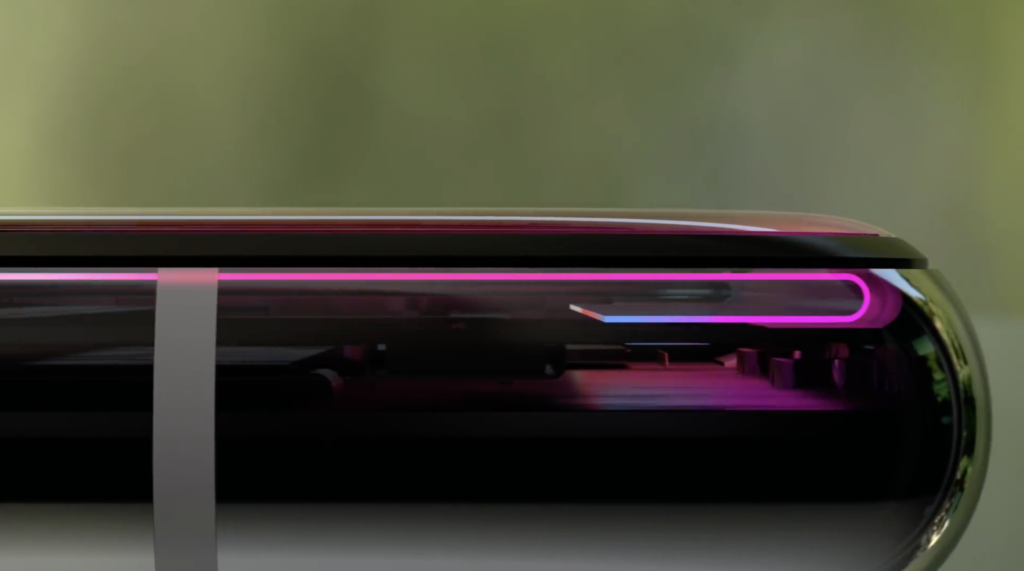
Artificial intelligence appears to follow the same pattern.
Apple also seems unusually cautious because of its own history with AI.
When the iPhone 4S launched in 2011, Siri wasn’t just another feature—it was the headline feature. Apple presented Siri as a revolutionary way to interact with a smartphone, and many people believed they were seeing the closest thing yet to a real-life version of J.A.R.V.I.S. from Iron Man. At the time, Siri genuinely felt years ahead of what most people expected from voice assistants.
Unfortunately, Apple failed to maintain that lead.
While competitors rapidly expanded their assistants using advances in cloud computing and machine learning, Siri evolved much more slowly. Over the years, it gradually became one of the weakest major digital assistants in the industry, unable to keep pace with rapidly growing user expectations.
That experience may have fundamentally changed how Apple approaches AI.
Rather than rushing unfinished features into millions of devices again, Apple appears determined not to repeat the same mistake.
That caution became even more understandable after Apple researchers published studies highlighting important limitations of today’s large language models. Their research suggested that while modern AI systems can appear remarkably capable, they also become increasingly unreliable as reasoning complexity increases. Hallucinations, inconsistency, and confidence in incorrect answers remain real challenges across the industry.
Instead of treating current AI models as a finished product, Apple may simply view them as an important technology that still requires significant refinement before becoming deeply integrated into the operating system experience.
That doesn’t mean Apple ignored AI entirely.
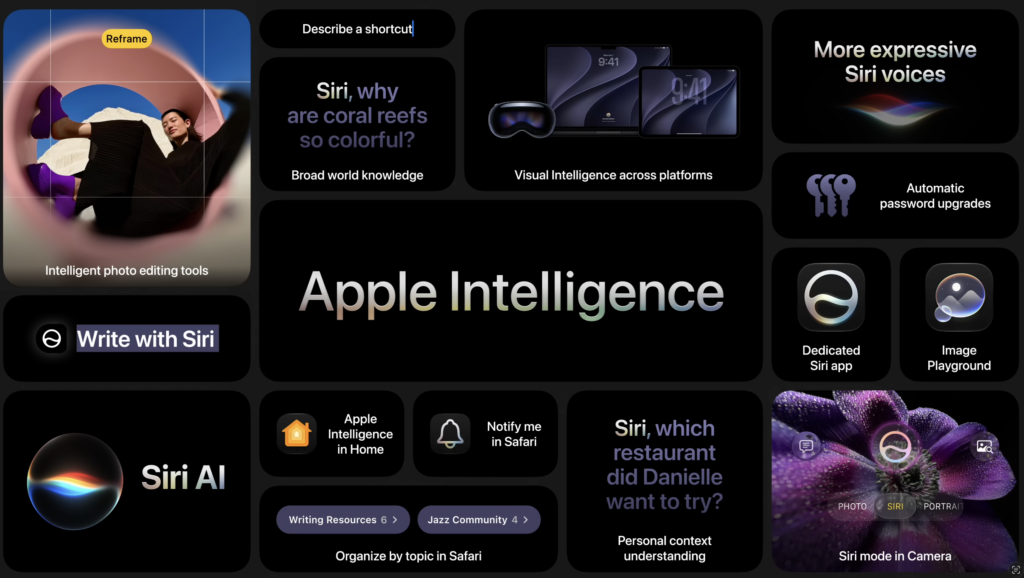
In fact, WWDC 2026 marked one of Apple’s biggest AI-focused software announcements ever, with Siri receiving its most significant overhaul since its original introduction. After years of criticism, Apple finally appears committed to rebuilding Siri around modern AI capabilities instead of continuing to layer improvements onto an aging foundation. More importantly, it signals that Apple no longer views AI as something to simply add to its products. It now appears to be rebuilding parts of the Apple experience around it.
Whether Apple should have moved sooner will remain a topic of debate. But if history offers any indication, Apple has consistently preferred shipping products it believes are ready rather than products that merely arrive first.
Sometimes that strategy makes Apple look late.
Sometimes it allows competitors to absorb years of criticism while Apple learns from their mistakes.
And sometimes it produces products that feel less like first attempts and more like refined final drafts.
Artificial intelligence may ultimately become another chapter in that same story.